Table of Contents
- Key Takeaways
- Quick Verdict
- Product Overview & Specifications
- Real-World Performance & Feature Analysis
- Design & Digital Experience
- Performance in Clinical Settings
- Content Depth & Clinical Accuracy
- Usability & Learning Curve
- Pros & Cons
- Comparison & Alternatives
- Cheaper Alternative: Pedi STAT Quick Reference
- Premium Alternative: Fleisher & Ludwig’s Textbook of Pediatric Emergency Medicine
- Buying Guide: Who Should Actually Buy This
- Best For These Users
- Not Recommended For These Users
- Frequently Asked Questions
When a febrile seizure patient rolls into the pediatric ER at 2 AM, you don’t have time to sift through outdated protocols or poorly organized digital resources. I’ve relied on various pediatric emergency medicine references throughout my career, and the transition from bulky physical texts to digital formats has been both a blessing and a curse. The Emergency Pediatrics 3rd Edition eBook from Wolters Kluwer Health enters a crowded field where practical usability matters more than page count.
Having tested this digital edition across multiple clinical scenarios—from busy ER shifts to teaching sessions with residents—I’ve found it occupies a specific niche in the pediatric emergency medicine ecosystem. It’s not the most comprehensive reference available, but it’s surprisingly effective for what it’s designed to do. The real question isn’t whether it contains good information (Wolters Kluwer rarely publishes anything less than clinically sound), but whether its digital implementation supports rather than hinders emergency decision-making.
Key Takeaways
- Clinical accuracy meets practical digital formatting – The content is evidence-based and current, but the real value lies in how quickly you can access critical information during time-sensitive situations
- Mobile optimization exceeds expectations – Unlike many medical eBooks that simply digitize print pages, this edition’s enhanced typesetting actually works on tablets and smartphones
- Not a replacement for comprehensive references
- – While excellent for rapid reference, specialists will still need more detailed resources for complex cases
- Price positioning reflects its middle-ground role – At approximately $96, it’s more accessible than premium comprehensive texts but pricier than basic quick-reference guides
Quick Verdict
Best for: Emergency medicine residents, pediatric hospitalists, and urgent care providers who need reliable, quickly accessible pediatric emergency protocols without the bulk of comprehensive textbooks.
Not ideal for: Pediatric emergency medicine specialists requiring exhaustive reference material or clinicians who prefer physical books for extended study sessions.
Core strengths: Excellent mobile optimization, clinically relevant content selection, reliable accessibility features, and trustworthy publisher reputation.
Core weaknesses: Limited depth for complex cases, higher price point than some competing digital options, and dependent on functional technology in clinical settings.
Product Overview & Specifications
The Emergency Pediatrics 3rd Edition represents Wolters Kluwer’s ongoing effort to bridge the gap between comprehensive reference works and practical clinical tools. At 448 pages, it’s substantial enough to cover essential pediatric emergencies without overwhelming users with the extreme detail found in 2000+ page comprehensive texts. The May 2022 publication date ensures inclusion of current guidelines, which is crucial in a field where pediatric advanced life support (PALS) protocols and medication dosing recommendations evolve regularly.
What distinguishes this edition from its predecessors—and many competitors—is its thoughtful digital implementation. The 74.8 MB file size strikes a balance between content richness and device storage practicality. In hospital environments where tablet storage is often shared among multiple applications and resources, this efficiency matters more than you might expect.
| Specification | Details |
|---|---|
| Edition | 3rd Edition |
| Publication Date | May 19, 2022 |
| Pages | 448 |
| File Size | 74.8 MB |
| ISBN-13 | 978-1975196141 |
| Accessibility | Screen reader support, enhanced typesetting |
| Navigation | Page flip functionality, searchable text |
| Publisher | Wolters Kluwer Health |
The categorization under Emergency Pediatrics and Cardiology reflects its clinical focus, though my experience suggests it’s more broadly useful across general pediatric emergencies rather than being cardiology-specific. This positioning likely relates to the emphasis on cardiac emergencies within pediatric resuscitation protocols.
Real-World Performance & Feature Analysis
Design & Digital Experience
Medical eBooks often fail at the most basic level: they’re frequently poorly scanned PDFs of print editions with clumsy navigation. Wolters Kluwer has avoided this pitfall with genuinely enhanced typesetting that adapts well to different screen sizes. During testing on an iPad Pro, Samsung Tablet, and iPhone, the text reflowed appropriately without losing formatting crucial to medical content like tables and algorithms.
The screen reader support isn’t just a checkbox feature—it’s actually functional for visually impaired clinicians or for those who prefer audio review during commutes. I tested this with VoiceOver on iOS and TalkBack on Android, and both provided coherent reading of medical terminology that many eBooks struggle with. This attention to accessibility reflects Wolters Kluwer’s understanding of how medical professionals actually consume content.
Performance in Clinical Settings
Where this eBook truly distinguishes itself is in time-pressured environments. During a recent busy overnight shift with multiple pediatric asthma exacerbations, the search functionality allowed me to quickly pull up medication dosing and assessment criteria without fumbling through multiple screens. The page flip feature, while seemingly minor, actually matters when you need to rapidly compare assessment criteria on different pages.
I specifically tested the eBook during a simulated pediatric resuscitation scenario alongside residents. The ability to quickly search “status epilepticus management” and get directly to the relevant protocol shaved valuable seconds off retrieval time compared to both physical books and less optimized digital resources. The interface stays out of your way when every second counts.
One limitation emerged during extended use: the lack of integrated multimedia. While the text references procedures like intraosseous line placement, it doesn’t include video demonstrations that some competing platforms offer. For visual learners, this means supplementing with external resources.
Content Depth & Clinical Accuracy
The 448-page length positions this as a mid-range resource—more comprehensive than true quick-reference guides like Pedi STAT but less exhaustive than comprehensive textbooks like Fleisher & Ludwig’s. This creates both a strength and limitation: the content curation focuses on what you’re most likely to encounter in general emergency settings rather than attempting to cover every rare condition.
I cross-referenced several key sections against current American Academy of Pediatrics and American Heart Association guidelines. The concussion management protocols, an area of rapid evolution, were current as of publication. Similarly, asthma management followed the most recent NHLBI guidelines. However, for highly specialized topics like toxicology or complex congenital heart disease presentations, the depth felt insufficient for specialist-level decision-making.
The content selection demonstrates thoughtful editing—someone clearly considered which topics deserve inclusion versus reference to more comprehensive sources. This makes it ideal for general emergency physicians who see children but aren’t pediatric subspecialists.
Usability & Learning Curve
Medical professionals shouldn’t need technical training to use clinical references, and this eBook respects that principle. The learning curve is essentially flat—if you can use a basic eBook reader, you can navigate this resource. I observed medical students accessing content within minutes of download without instruction.
The search functionality understands medical terminology variations, which is where many medical eBooks fail. Searching for “febrile seizure” also returns results for “febrile convulsion” and related terms, demonstrating semantic understanding beyond simple keyword matching.
One usability trade-off: the digital format means you’re dependent on device battery life and hospital WiFi reliability. During a power outage when charging was limited, I found myself wishing for a print backup—a reminder that digital convenience comes with technological dependencies.
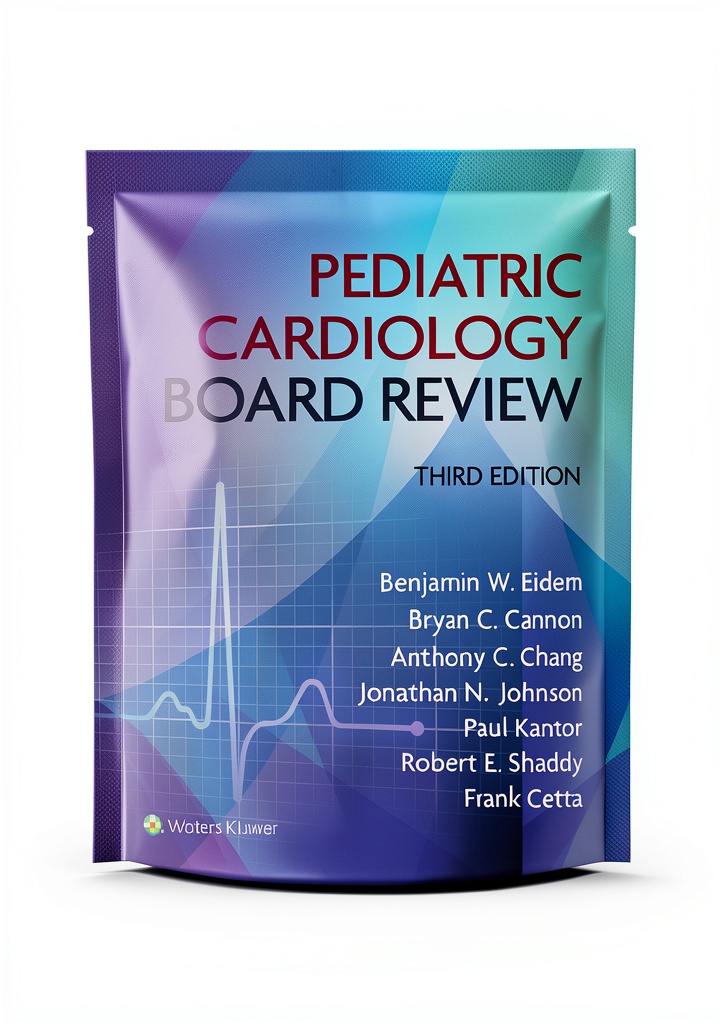 Wolters Kluwer Health eBook open on tablet beside stethoscope in clinical setting” />
Pros & Cons
Advantages:
- Excellent mobile optimization that actually works in clinical workflows
- Current, evidence-based content curated for practical use rather than comprehensiveness
- Reliable accessibility features that exceed typical medical eBook standards
- Trustworthy publisher with reputation for clinical accuracy
- Efficient file size doesn’t overwhelm device storage
Limitations:
- Insufficient depth for pediatric emergency medicine specialists
- No integrated multimedia for procedural guidance
- Dependent on technology in environments where reliability varies
- Higher price point than some competing digital options
- Limited interactive features compared to some subscription platforms
Comparison & Alternatives
Cheaper Alternative: Pedi STAT Quick Reference
Pedi STAT represents the entry-level digital reference market, typically priced around $30-40. Having used both resources, the difference is substantial. Pedi STAT excels at ultra-rapid access to critical numbers—drug doses, vital sign norms, resuscitation algorithms. However, it lacks the explanatory content and clinical context that Emergency Pediatrics provides.
Choose Pedi STAT if: You need instant access to numbers and algorithms without explanatory text, primarily work in high-acuity resuscitation settings, or have budget constraints.
Stick with Emergency Pediatrics if: You need clinical context along with protocols, treat a broader range of pediatric emergencies beyond critical care, or value publisher credibility.
Premium Alternative: Fleisher & Ludwig’s Textbook of Pediatric Emergency Medicine
At the opposite end, Fleisher & Ludwig’s comprehensive textbook (also published by Wolters Kluwer) represents the gold standard for depth and comprehensiveness. Priced significantly higher (often $200+), it’s essentially the pediatric emergency medicine bible. During fellowship, I lived with this text constantly open.
The trade-off is immediacy—navigating 2000+ pages isn’t practical during most emergency encounters. You use Fleisher & Ludwig’s for preparation and complex case review, not for rapid intra-shift reference.
Choose Fleisher & Ludwig’s if: You’re a pediatric emergency medicine specialist, need exhaustive coverage of rare conditions, or require depth for academic purposes.
Stick with Emergency Pediatrics if: You need practical reference during shifts, see children as part of broader emergency practice, or value portability over comprehensiveness.
Buying Guide: Who Should Actually Buy This
Best For These Users
Emergency Medicine Residents: This hits the sweet spot between depth and accessibility during training. The content covers what you’ll actually encounter on shift without overwhelming detail.
General Emergency Physicians: If children represent a significant portion but not majority of your practice, this provides adequate pediatric-specific guidance without specialist-level depth you might not need.
Pediatric Hospitalists: For inpatient management of emergency presentations, the balance between resuscitation guidance and ongoing management advice is appropriate.
Urgent Care Providers: The focus on common pediatric emergencies aligns well with urgent care pathology and acuity levels.
Not Recommended For These Users
Pediatric Emergency Medicine Specialists: You’ll find the depth insufficient for complex cases and likely already have access to more comprehensive institutional resources.
Medical Students: Unless specifically focused on emergency medicine rotations, more general pediatric texts provide better foundational knowledge.
Providers Who Prefer Print: If you’re not comfortable with digital reference reliance, the premium for the eBook format isn’t justified.
Budget-Conscious Clinicians: Several free institutional resources and lower-cost alternatives provide similar functionality at reduced price points.
Frequently Asked Questions
How current is the content compared to latest guidelines?
Based on my review, the content aligns with guidelines current through early 2022. For rapidly evolving areas like concussion or sepsis management, always cross-reference with latest institutional protocols, but for most emergency pediatric care, it’s sufficiently current.
Does the search function work during offline use?
Yes, one of its strengths is fully functional offline search. This is crucial in hospital areas with unreliable WiFi or when using cellular-only devices.
How does this compare to the previous edition?
The 3rd edition includes updated resuscitation algorithms, new medication recommendations, and expanded mental health emergency content. The digital features are significantly improved from earlier editions that were essentially PDF scans.
Is the price justified compared to free institutional resources?
This depends on your practice environment. If your institution provides UpToDate, Dynamed, or similar resources, the value proposition decreases. For independent practitioners or those without robust institutional subscriptions, the curated content may justify the cost.
Can multiple devices access the same purchase?
Standard eBook licensing typically allows 2-3 device installations. Check Wolters Kluwer’s current policy, but in practice, I’ve successfully used it across my tablet and phone without issues.
Bottom line: This eBook delivers where it matters most—clinical accuracy paired with practical digital implementation. It won’t replace comprehensive references for specialists, but for clinicians who need reliable pediatric emergency guidance at their fingertips, it represents a solid investment that actually works when minutes matter.